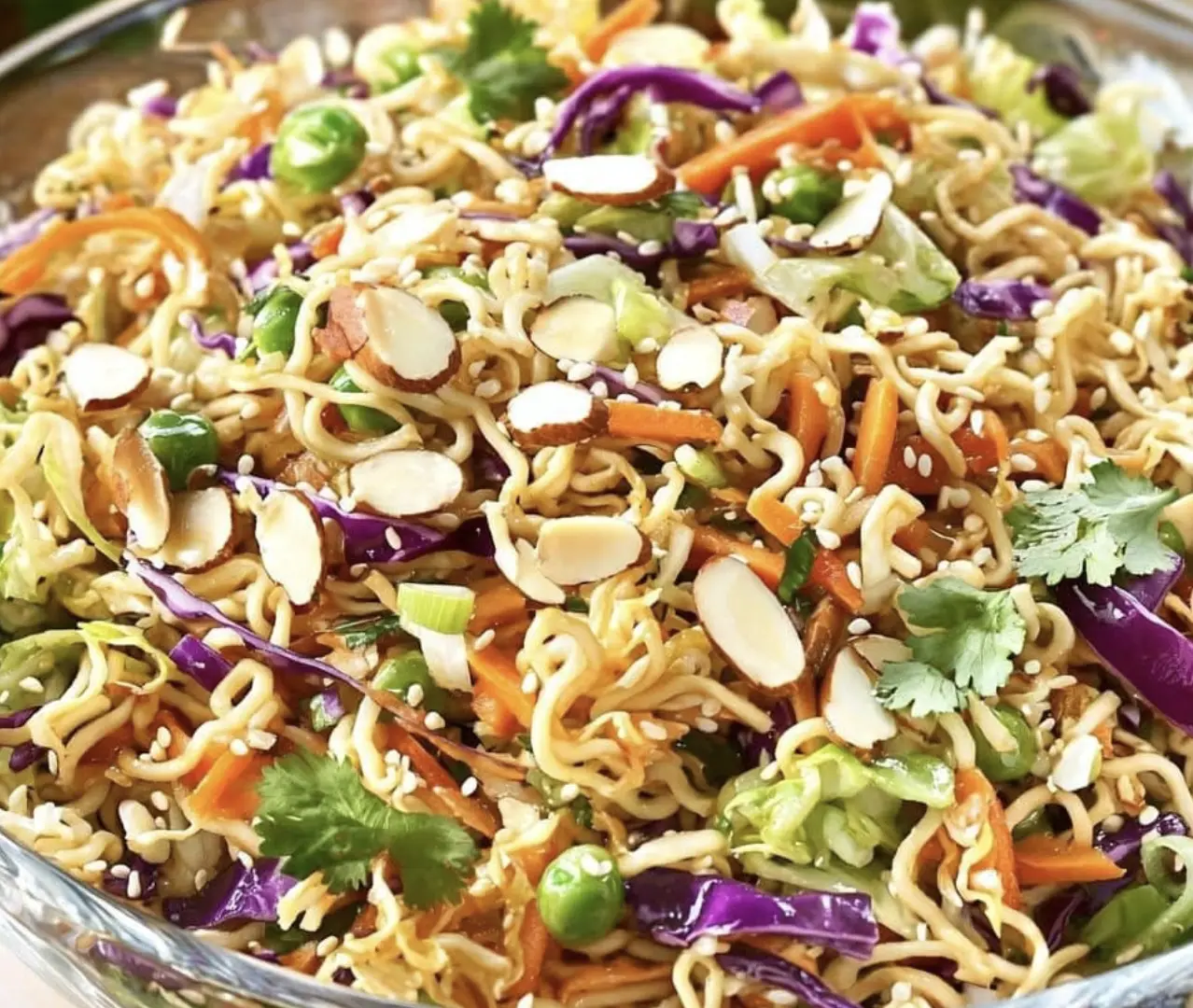
Crunchy Asian Noodle Salad: Your Ultimate Summer Delight
As the days lengthen and the mercury rises, our culinary cravings naturally shift from hearty stews to lighter, more vibrant fare. If you're in the mood for something truly different and incredibly satisfying, look no further than the Crunchy Asian Noodle Salad. This dish isn't just a meal; it's a sensory experience, bursting with fresh vegetables, perfectly cooked noodles, and a dressing so irresistible it might just become your new obsession. Ideal for potlucks, weeknight dinners, or a refreshing lunch, this summer Asian noodle salad hits all the right notes: it’s flavorful, versatile, and served at a delightful room temperature, making it a stellar choice for warm weather entertaining.
Often inspired by classic Chinese flavors, this salad challenges the traditional warm-dish mindset, proving that Asian cuisine can be incredibly refreshing. While it boasts a rich profile, it's far from heavy. The secret lies in balancing the crunch of fresh produce with the satisfying chew of noodles, all brought together by a dressing that, when mastered, can transform simple ingredients into a culinary masterpiece. We'll delve into making that dressing shine and guide you through selecting the ideal pasta to achieve the perfect texture, ensuring your crunchy Asian noodle salad is nothing short of spectacular.
Why Crunchy Asian Noodle Salad Reigns Supreme for Summer
What makes a crunchy Asian noodle salad such a standout during the warmer months? Its inherent qualities align perfectly with the desire for meals that don't weigh you down but still deliver immense satisfaction. Unlike many summer salads that rely heavily on leafy greens, this dish features a robust base of noodles and an abundance of crisp vegetables, providing a heartier experience without the heaviness of a hot meal.
- Room Temperature Perfection: One of its greatest assets is that it’s designed to be served at room temperature. This means no last-minute scrambling to keep things hot or cold, making it an excellent candidate for picnics, barbecues, or buffet-style gatherings. You can even prepare components in advance, assembling closer to serving time for maximum freshness.
- Vibrant Flavors: The typical dressing profile—a symphony of sweet, sour, salty, and umami—is incredibly invigorating. Ingredients like rice vinegar, ginger, garlic, soy sauce, and a touch of honey or peanut butter create a complex yet refreshing taste that awakens the palate.
- Abundance of Fresh Vegetables: This salad is a fantastic way to load up on nutritious veggies. Red bell peppers, green onions, and sugar snap peas (among others) not only add a delightful crunch but also contribute vital vitamins and antioxidants. The visual appeal of these colorful ingredients alone makes the dish incredibly inviting.
- Versatility for Any Occasion: While satisfying on its own, this summer Asian noodle salad pairs beautifully with grilled chicken, shrimp, or tofu, transforming it into a complete and balanced meal. It’s light enough for lunch but substantial enough for dinner, catering to a variety of needs.
The combination of these elements makes the crunchy Asian noodle salad a true star of summer dining. It offers a refreshing departure from the usual, delivering a burst of flavor and texture that truly hits the spot when the weather warms up.
The Heart of the Matter: Mastering Your Asian Noodle Salad Dressing
The dressing is, without a doubt, the soul of any crunchy Asian noodle salad. It’s what infuses every strand of pasta and every piece of vegetable with its irresistible character. However, crafting the perfect dressing is an art that requires balance and a willingness to adjust. Many traditional recipes, while delicious, can be overly generous with oil, leading to a dressing that overwhelms rather than enhances the salad.
Our goal is a dressing that clings beautifully to the noodles and vegetables, coating them in flavor without making them greasy or soggy. Here’s how to master it:
Key Components and Balance
A classic Asian noodle salad dressing often features:
- Umami Base: Soy sauce (or tamari for gluten-free) forms the salty and umami foundation.
- Tang: Rice vinegar provides the essential sour note, balancing richness.
- Sweetness: Honey or a touch of sugar adds a subtle sweetness, rounding out the flavors.
- Richness & Creaminess: Peanut butter (creamy or crunchy) is a game-changer, adding body, nuttiness, and a luscious texture. For those with peanut allergies, tahini or almond butter can be excellent alternatives, offering a similar mouthfeel with a different, yet still delicious, flavor profile.
- Aromatics: Freshly grated ginger and minced garlic are non-negotiable, infusing the dressing with their pungent, zesty kick.
- Toasted Sesame Seeds & Oil: Toasted white sesame seeds add texture and a nutty aroma, while a small amount of sesame oil deepens the Asian flavor profile. A neutral oil (like grapeseed or vegetable oil) can be used sparingly to achieve the desired consistency, but remember, less is often more.
Tips for a Perfectly Balanced Dressing
- Start Lean on Oil: Instead of automatically adding a full cup of oil as some older recipes might suggest, begin with a quarter to a half cup, or even less, depending on how much dressing you're making and the creaminess from the peanut butter. You can always add a touch more if the consistency is too thick.
- Taste and Adjust: This is crucial. Whisk all your dressing ingredients together and then taste it. Does it need more tang? Add more rice vinegar. A touch more sweetness? A little more honey. Missing that savory depth? A splash more soy sauce. Remember the mantra: sweet, sour, salty, umami.
- Emulsify Thoroughly: Ensure all ingredients, especially the peanut butter, are fully incorporated for a smooth, homogenous dressing. A whisk or even a blender can help achieve this.
- Let it Mingle: If time allows, prepare the dressing ahead of time and let it sit in the refrigerator for at least 30 minutes. This allows the flavors to meld and deepen, making for a more cohesive and robust taste experience.
Mastering this dressing is the gateway to an unforgettable summer Asian noodle salad. Experiment with proportions to find your perfect blend, and don't be afraid to innovate with ingredients like a touch of chili garlic sauce for heat or a squeeze of lime for extra brightness.
The Pasta Puzzle: Choosing the Right Noodles for Your Summer Asian Noodle Salad
While the dressing provides the flavor, the noodles are the canvas for your crunchy Asian noodle salad. The choice of pasta significantly impacts the overall texture, how well it absorbs the dressing, and the satisfying chew of the dish. This isn't a "one size fits all" situation; thoughtful selection makes all the difference.
Classic Choices and Why They Work
- Spaghetti (Regular or Thin): This is a popular and accessible choice.
- Regular Spaghetti: Offers a good, hearty bite. However, some find its thickness can be a bit much for a cold salad, potentially requiring more dressing to coat thoroughly.
- Thin Spaghetti (Spaghettini): Often preferred for noodle salads. Its thinner diameter means a greater surface area relative to its volume, allowing it to absorb and cling to the dressing more effectively. This results in a more evenly coated and flavorful bite, making it a strong contender for your summer Asian noodle salad.
- Japanese Udon Noodles: These thick, chewy wheat noodles offer a wonderfully satisfying texture. Their robustness stands up well to a rich dressing and hearty vegetables. If you like a substantial, doughy noodle, udon is an excellent option that adds a unique character to the salad.
What to Consider and What to Avoid
When selecting your pasta, think about these factors:
- Dressing Absorption: Thinner noodles tend to absorb and cling to the dressing better, ensuring every bite is flavorful. Thicker noodles might require a more generous amount of dressing to achieve the same even coating.
- Texture: Do you prefer a firm, chewy bite, or something more delicate? This will guide your choice between udon, regular spaghetti, or spaghettini.
- Integrity: For a salad that's meant to be mixed and potentially sit for a bit, you want noodles that hold their structure.
Noodles to Use with Caution (or Avoid for this specific salad):
- Angel Hair or Capellini: While delicate and quick-cooking, these very fine noodles can become clumpy or break down too easily in a salad, particularly when tossed vigorously or left to sit. They might lack the satisfying chew needed for a "crunchy" noodle salad.
- Fresh Pasta: While delicious for hot dishes, fresh pasta can sometimes be too soft and delicate for a cold noodle salad, potentially becoming mushy. Stick to dried varieties for better structure.
Pasta Preparation Tips
Regardless of your choice, proper cooking is paramount:
- Salt Your Water: Always salt your pasta water generously. It should taste "like the sea" to properly season the noodles from within. Add salt once the water is boiling, just before adding the pasta.
- Cook Al Dente: For salads, it's often best to cook pasta slightly firmer than you would for a hot dish. "Al dente" (to the tooth) means it still has a slight bite and won't become mushy when tossed with dressing.
- Rinse After Cooking: Unlike hot pasta dishes where rinsing removes starch needed for sauce adhesion, for a cold noodle salad, rinsing briefly with cold water stops the cooking process and prevents the noodles from sticking together. Drain very well.
By making an informed decision about your pasta, you lay the groundwork for a perfectly textured and utterly delicious crunchy Asian noodle salad. The right noodle ensures that the dressing shines and the overall mouthfeel is exactly what you crave.
Elevating Your Crunchy Asian Noodle Salad: Prep & Pro Tips
Beyond the dressing and pasta, the devil is in the details when it comes to crafting a truly spectacular crunchy Asian noodle salad. Thoughtful preparation of your vegetables and other elements can elevate this dish from good to unforgettable, making it your go-to spring and summer recipe.
Vegetable Preparation: Precision for Perfection
- Uniform Cuts: The goal is to have vegetables that are similar in size and shape to your noodles. This ensures even distribution in every bite and a harmonious texture. For instance, slice red bell peppers into thin strips and green onions on the diagonal to match the length and thickness of your spaghetti.
- Ginger & Garlic Mastery:
- Ginger: Peel fresh ginger using a potato peeler, which is surprisingly effective. Grate it finely for maximum flavor infusion without large, fibrous pieces. Pro tip: Store unused ginger root in a freezer bag in the freezer; it's easier to grate when frozen!
- Garlic: Mince garlic finely to ensure its pungent flavor is evenly dispersed throughout the dressing and salad.
- Crunchy Additions: Don't forget your frozen sugar snap peas! They add a wonderful, sweet crunch and vibrant color. Other fantastic additions include shredded carrots, thinly sliced cucumbers, or even shredded cabbage for an extra layer of texture.
The Art of Toasting Sesame Seeds
Toasted sesame seeds are more than just a garnish; they provide a nutty depth and textural contrast that is essential to a crunchy Asian noodle salad. This step is simple but requires a watchful eye:
- Dry Skillet: Heat a dry skillet over medium-low heat.
- Even Spreading: Add your white sesame seeds in a single layer.
- Constant Motion: As the seeds begin to heat, they will start to turn a light golden brown. Continuously shake the skillet or stir with a spatula.
- Residual Heat Rule: Just as the seeds begin to turn golden (before they are fully done), remove the skillet from the burner. The residual heat from the pan will continue to roast them. Keep shaking the seeds in the skillet for another minute or two until the pan cools down sufficiently to prevent burning. Burnt sesame seeds are bitter and will detract from your salad.
Assembling and Serving Your Masterpiece
- Combine Gently: In a large bowl, combine your cooked and rinsed noodles with all the prepared vegetables.
- Dress Gradually: Pour about two-thirds of your mastered dressing over the ingredients. Toss gently but thoroughly, ensuring everything is evenly coated. You can always add more dressing if needed, but you can't take it away!
- Chill for Flavor Development: While delicious immediately, allowing the salad to chill in the refrigerator for 30 minutes to an hour lets the flavors meld beautifully. This also ensures the salad is perfectly cool and refreshing for a summer day.
- Garnish for Impact: Before serving, sprinkle with any remaining toasted sesame seeds and fresh green onion tops for a pop of color and freshness.
- Serve at Room Temperature: This salad is truly at its best when served at room temperature. If pairing with a protein, baked chicken breasts or grilled shrimp make fantastic accompaniments, offering a complete meal experience.
By paying attention to these details, your crunchy Asian noodle salad will not only taste incredible but also look stunning, cementing its place as a cherished recipe in your summer repertoire.
Conclusion
The crunchy Asian noodle salad is more than just a recipe; it's an invitation to explore vibrant flavors and satisfying textures, perfectly suited for the warmth of spring and summer. By focusing on mastering the nuanced balance of its dressing and carefully selecting the right pasta, you unlock the full potential of this delightful dish. Add to that the freshness of precisely prepared vegetables and the nutty aroma of perfectly toasted sesame seeds, and you have a culinary creation that is both refreshing and deeply satisfying. Whether you're hosting a backyard barbecue, packing a picnic, or simply seeking a delicious and light meal, this summer Asian noodle salad is poised to become a beloved staple in your kitchen. So, gather your ingredients, follow these tips, and prepare to indulge in a dish that truly celebrates the joy of warmer days.
